What Defines a Wabi Sabi Style Bedroom: Your Complete Design Guide

Modern life constantly bombards your nervous system with artificial light and synthetic noise. We are simply not built to thrive inside rigid, flawless white boxes. You return to your apartment carrying the heavy weight of a hundred daily obligations.
The modern pressure to maintain a highly curated living space just creates another exhausting chore. Your physical surroundings should heal your burnout rather than amplify it. A wabi-sabi style bedroom acts as a powerful sensory antidote to this modern chaos.
By embracing natural asymmetry, this aesthetic actively signals your brain to lower cortisol production. You learn to find immense comfort in the modest beauty of aged things. Will you finally let go of strict symmetry and allow your sanctuary to breathe?
Key Takeaways for Your Restorative Wabi-Sabi Sanctuary
- Regulate your nervous system by choosing raw and unrefined textiles for all bedding.
- Embrace the natural wear on your furniture as a mark of beautiful history.
- Eliminate meaningless visual clutter to provide your mind with restful negative space.
- Anchor your room using a muted and earthy palette drawn from the forest floor.
- Curate deep and comforting shadows by utilizing soft and diffused lighting.
The Psychological Impact of Organic Bedroom Architecture

Your physical surroundings serve as an immediate reflection of your internal emotional landscape. Rooms that demand absolute symmetry keep the human brain in a state of high alert. You cannot fully relax in a space that feels like a sterile museum exhibit. Introducing organic shapes helps your mind transition from active problem solving to deep restoration.
Lowering Cortisol Through Visual Asymmetry
Humans evolved in wild settings where perfect geometric shapes simply do not exist in nature. When your bedroom features irregular lines, your brain recognizes a highly secure environment. This subconscious recognition tells your body to lower cortisol production levels before you sleep.
A weathered wooden stool provides visual relief that sharp factory-cut lines cannot ever replicate. This is exactly why a wabi-sabi bedroom feels so inherently calming the moment you enter. The space does not ask you to fix anything or straighten any rigid angles. Your mind can finally rest because the room itself is already totally at peace.
Escaping the Pressure of Showroom Aesthetics
Living in a space that looks like a catalog page creates a restrictive and artificial mindset. You become an anxious guest who is afraid to leave a mark on your own furniture. The wabi-sabi philosophy encourages you to actively interact with your belongings without any fear.
A wrinkled sheet is no longer a failure but a sign of restful and honest sleep. A scratch on the floorboard becomes a simple memory of your daily movement. Dropping the need for absolute perfection instantly removes a massive layer of domestic anxiety. You are completely free to simply exist in your space exactly as you are today.
Somatic Grounding and Nervous System Regulation
Your body needs physical cues from your environment to shift into a parasympathetic state. Smooth plastics and glossy paints provide zero tactile feedback to your tired nervous system. A wabi-sabi room uses heavy and textured items to create a profound somatic grounding effect.
Touching rough stone or soft linen physically pulls your racing thoughts back into your body. This tactile engagement interrupts the endless loop of your daily workplace stress. You begin to feel anchored to the earth rather than floating in a digital cloud.
Selecting Authentic Materials for a Deeply Grounded Presence
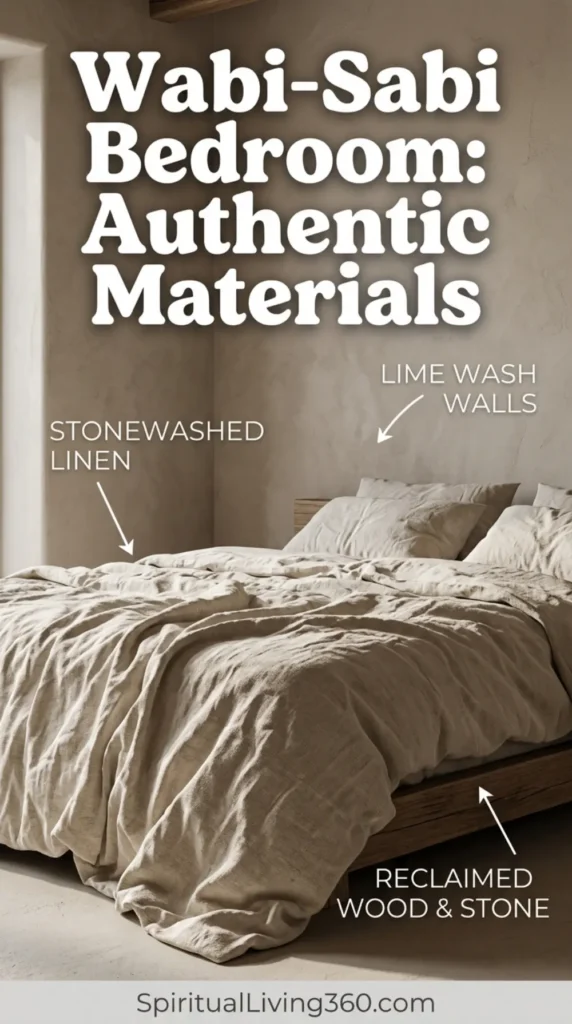
The materials you touch right before closing your eyes shape your entire sensory experience. Synthetic blends feel entirely detached from the organic human experience. A true wabi-sabi room relies solely on gifts from the natural world.
The Healing Power of Stonewashed Organic Linen
Linen acts as the absolute cornerstone of the authentic wabi-sabi bedroom aesthetic. This ancient fabric actually improves with every wash and grows beautifully softer over the years. The natural wrinkles in the material celebrate a highly lived-in and honest beauty. You never need to iron your bedsheets in a truly holistic home.
Using unbleached cotton and hemp layers helps perfectly regulate your core body temperature overnight. These organic fibers allow your skin to breathe easily for much deeper physical restoration. The heavy drape of a thick linen duvet cover provides a gentle weighted sensation. This tactile comfort physically grounds your body and prepares you for restorative sleep.
Incorporating Reclaimed Wood and Raw Stone
Your furniture should look and feel like it emerged directly from the local soil. Manufactured veneers create a highly stressful barrier between you and the natural world. Seek out pieces crafted entirely from solid, reclaimed, or live-edge wood. The knots and irregular grain patterns are the unique signatures of the tree.
A low-profile raw wood bed frame anchors the entire room with immense quiet strength. You can complement this with rough-hewn stone elements to add significantly more visual weight. A heavy stone dish for your daily jewelry adds immense grounding energy to a nightstand. These solid materials bring the quiet resilience of the outdoors directly inside your sanctuary.
Hand-Troweled Plaster and Mineral Lime Wash
Standard flat interior paint often feels suffocating and completely devoid of organic life. Treating your walls with natural lime wash or clay plaster completely transforms the room. These traditional finishes create a soft and mottled texture that changes with the sunlight.
The walls suddenly appear to breathe and interact with the shadows throughout the day. This creates a beautifully enveloping atmosphere that mimics the safety of a natural cave. You feel held by the architecture rather than simply boxed in by drywall.
Material Substitutions for the Bedroom
| Standard Bedroom Material | Wabi Sabi Alternative | Reason for the Healing Swap |
| High-gloss acrylic furniture | Solid reclaimed wood | Offers a tactile feel with natural history. |
| Crisp polyester bed sheets | Wrinkled stonewashed linen | Breathes naturally and ages beautifully. |
| Polished chrome hardware | Naturally patinated brass | Shows the authentic effects of passing time. |
| Bright synthetic area rugs | Hand-woven jute or wool | Creates a soft and earthy foundation. |
| Manufactured plastic decor | Hand-thrown unglazed clay | Connects the space directly to human touch. |
Curating Wabi-Sabi Decor With Deep Personal Resonance
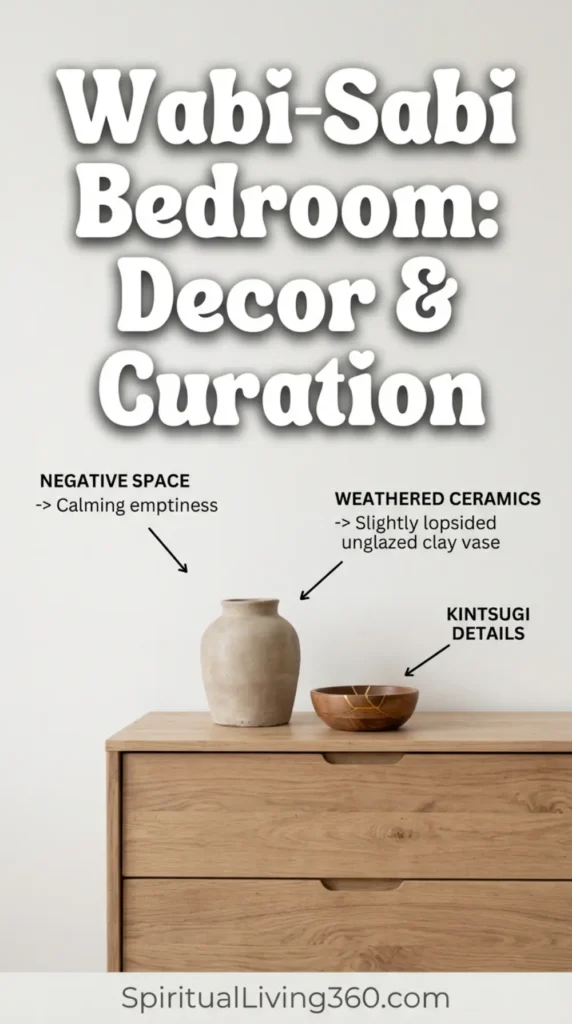
This aesthetic strictly rejects the modern culture of mindless consumerism and fast decor. You should only bring items into your bedroom that serve a highly functional purpose. Empty space is heavily valued as a powerful design element in its own right.
Finding Comfort in Weathered Ceramics
Hand-thrown ceramics represent the physical embodiment of this ancient Japanese philosophy. A slightly lopsided clay vase shows the actual fingerprints of its dedicated human maker. These subtle variations prove that the object was not stamped out by a factory machine.
Place a single dried branch in an unglazed clay pot on your wooden dresser. This simple arrangement honors the quiet beauty of the changing seasons. The rough texture of the clay creates a striking contrast against your soft bedding. These small intentional moments of beauty anchor the room entirely in the present moment.
The Kintsugi Mindset for Broken Objects
Kintsugi is the art of repairing broken pottery with vibrant gold or silver lacquer. This mindful practice highlights the damage rather than attempting to hide it from view. You can apply this exact mindset to your bedroom furniture and woven textiles.
If a favorite blanket tears you can mend it with a deeply contrasting thread. If a wooden chair gets scratched you just rub some natural oil into the mark. Visible repairs prove that your home is genuinely loved and highly resilient. They turn a simple bedroom into a moving testament to a life well-lived.
Strategic Negative Space for Mental Clarity
Clutter acts as visual static that constantly distracts your tired and overworked brain. Every object in your room demands a tiny fraction of your limited mental energy. Removing unnecessary items gives your mind the physical space it needs to finally decompress.
You do not need to fill every single corner or cover every blank wall. Leaving areas completely empty allows the room to breathe and settle. This highly intentional emptiness creates a profound sense of mental clarity.
Designing a Multi-Sensory Wabi-Sabi Environment

Most design trends focus entirely on how a bedroom looks to a camera lens. True restorative design addresses how a room sounds, smells, and feels to your body. You must curate a complete sensory landscape to achieve genuine rest.
Biophilic Soundscapes for Deep Sleep
The harsh sounds of urban traffic and buzzing appliances keep your nervous system highly agitated. Wabi-sabi design uses heavy textiles to effectively absorb these stressful artificial frequencies. Thick linen curtains and dense wool rugs act as natural acoustic dampeners.
You can introduce gentle biophilic sounds to mask any remaining neighborhood noise. A small indoor water feature provides a highly rhythmic and soothing auditory baseline. This organic soundscape tells your primitive brain that you are safe near a water source.
Olfactory Grounding With Earth-Based Scents
Synthetic air fresheners introduce harsh chemicals that can disrupt your delicate sleep cycle. You should scent your sanctuary using only natural elements derived from the earth. The smell of aged wood and dried herbs directly supports your physical recovery process.
Burn a small piece of natural cedar or use a diffuser with pure vetiver oil. These deep earthy aromas instantly trigger a grounding response in your central nervous system. Your bedroom will smell like a quiet forest floor after a gentle rain.
Thermal Comfort Through Breathable Textiles
Waking up in a sweat directly interrupts your deep REM sleep phases. Synthetic mattresses and polyester blankets trap your body heat in an unnatural and uncomfortable way. A wabi-sabi bed uses highly breathable layers to manage your microclimate.
A heavy wool blanket over organic cotton allows heat to escape while providing comforting weight. This dynamic layering approach mirrors how animals insulate themselves in the wild. You will experience a much more stable and restorative thermal environment.
Mastering Wabi-Sabi Lighting and Shadow Strategies
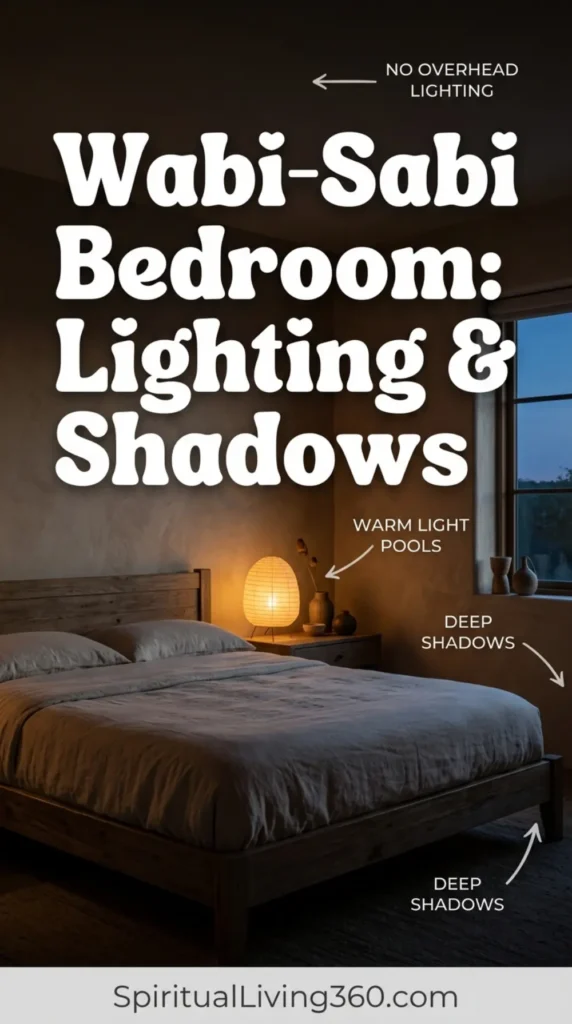
Harsh lighting completely destroys the calming frequency of a natural sleeping space. Modern LED bulbs often mimic the bright midday sun and severely disrupt your circadian rhythm. You must completely rethink how you illuminate your bedroom after the sun sets.
Eliminating Harsh Overhead Illumination
The absolute first step in your bedroom transformation is turning off the main ceiling light. Overhead lighting flattens the room and eliminates the beautiful textures you worked hard to curate. You want to create soft pools of light that draw the eye to specific areas.
Use multiple low-wattage table lamps scattered thoughtfully throughout the space. Look for lampshades made from natural paper or unbleached linen to gently diffuse the glare. This strategic layering of soft light creates a profound sense of safety and warmth.
Cultivating Restorative Pools of Warm Light
Not every corner of your bedroom needs to be brightly illuminated at all times. Allowing darkness to exist in the corners creates a much cozier and protective atmosphere. Place a small amber-toned lamp specifically on your reading nightstand.
This localized lighting approach mimics the comforting glow of a campfire. It signals to your pineal gland that it is time to start producing melatonin. You will fall asleep much faster when your room transitions naturally into darkness.
Designing for Deep Shadows and Nuance
Traditional Western design views shadows as a problem that must be immediately fixed. The wabi-sabi philosophy views shadows as an integral part of the room’s total beauty. The interplay between soft light and dark corners adds immense depth and mystery.
A textured clay pot looks infinitely more beautiful when half of it rests in shadow. These dark spaces give your overstimulated eyes a physical place to finally rest. Embracing shadows turns your bedroom into a highly meditative and soulful retreat.
Lighting Solutions for the Bedroom
| Common Lighting Problem | The Wabi Sabi Solution |
| Harsh overhead ceiling lights | Multiple low-wattage table and floor lamps. |
| Blinding morning sunlight | Sheer unbleached linen curtains for soft diffusion. |
| Cool blue LED bulbs | Warm amber-toned bulbs mimicking candlelight. |
| Heavy blackout window blinds | Natural woven bamboo or grass shades. |
Daily Wabi-Sabi Rituals to Sustain Your Zen Environment

A wabi-sabi room is a dynamic living space rather than a frozen photograph. How you physically maintain the room absolutely determines its long-term healing energy. Routine cleaning should become a meditative practice rather than a highly stressful chore.
Morning Practices for Gentle Energetic Renewal
How you leave your bedroom in the morning sets the tone for your entire day. You do not need to bounce a quarter off your mattress to have a beautiful room. Open your windows wide for five minutes to circulate fresh morning air.
Make the bed loosely to allow the natural drape of the linen to show. Pick up any stray clothing from the floor to restore visual harmony instantly. Let the morning light gently hit your natural wood furniture pieces to start the day.
Evening Habits for Profound Rest
Your bedroom needs to physically transition from a daytime space into a nighttime sanctuary. This transition requires a few intentional actions to signal your brain that the day is over. Remove any incidental clutter or trash that accumulated during your busy workday.
Dim all the main lights and turn on your warm bedside table lamps. Light a single natural beeswax candle for ten minutes of quiet and focused reflection. Fold down your heavy bedding to create a highly inviting space for physical rest.
Mindful Maintenance as Active Meditation
Dusting and sweeping do not have to be frustrating tasks you rush to finish. Caring for your beautiful objects is a way of showing deep gratitude for your home. Wiping down a raw wood dresser with natural oil nourishes both the wood and your mind.
This slow and rhythmic physical activity is highly grounding for an overworked professional. You are actively tending to your personal sanctuary with your own two hands. This mindful maintenance keeps the energy of the room entirely pure.
Adapting the Wabi-Sabi Ethos for Challenging Floor Plans
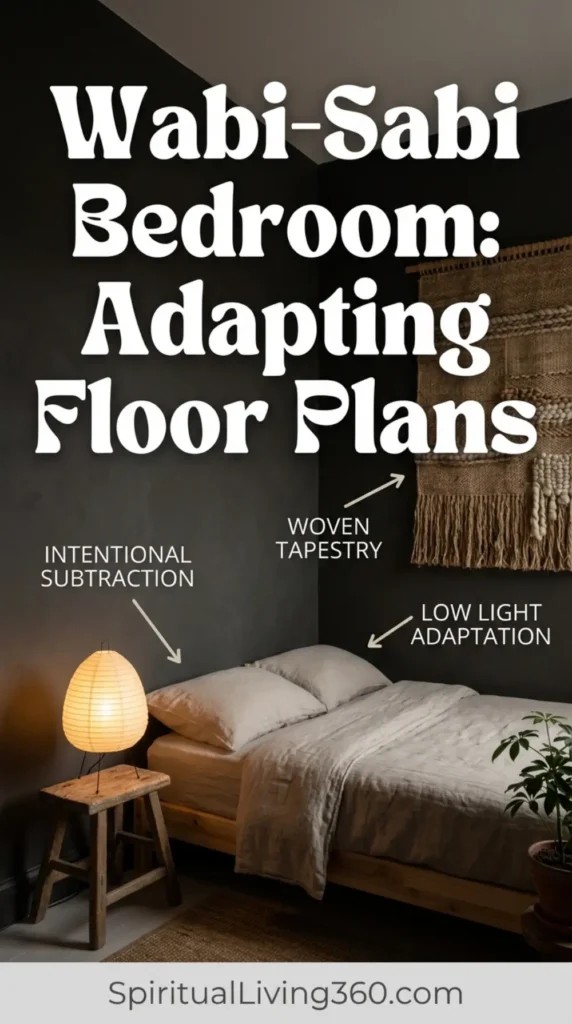
You do not need a massive architectural masterpiece to practice these ancient design principles. Wabi-sabi is highly adaptable to any square footage because it relies heavily on simple subtraction.
Maximizing Small Spaces with Intentional Subtraction
Small bedrooms actually lend themselves perfectly to the highly cozy nature of this design style. The main key is to drastically reduce the number of objects competing for your visual attention. Focus on one large scale textured art piece rather than a busy gallery wall.
Use floor-to-ceiling linen curtains to soften the harsh modern angles of small rooms. Choose a low-profile bed to create the wonderful illusion of much higher ceiling space. Keep your nightstands completely clear of everything except a simple lamp and a book.
Countering the Coldness of Modern White Boxes
Many modern apartments are built as featureless white boxes with completely sterile finishes. You must introduce extreme organic texture to successfully counter this highly clinical architecture. Hang a massive woven tapestry on the wall behind your bed to create an instant focal point.
Layer multiple thick wool and jute rugs over the cold laminate flooring. Replace the cheap plastic light fixtures with handmade paper or woven rattan shades. These aggressive textural additions will breathe genuine life into the most sterile environment.
Working With Extremely Low Natural Light
Not every bedroom is blessed with large windows and abundant morning sunlight. You can still cultivate a deeply beautiful atmosphere in a naturally dark room. Lean heavily into the moodiness rather than fighting it with harsh artificial bulbs.
Paint the walls a warm and enveloping shade of dark taupe or deep clay. Use this natural dimness to your advantage to create a cave-like sleeping environment. The resulting atmosphere will feel incredibly intimate and highly protective.
Securing Your Final Restorative Haven
Your bedroom stands as your absolute final line of defense against an exhausting world. Choosing to design a wabi-sabi space is an act of courageous self-care and radical acceptance. You allow genuine healing to begin when you finally stop demanding aesthetic perfection. You will rapidly learn to find immense joy in the quiet details of your daily life. Your freshly curated space will gently hold your nervous system after your hardest days. Your imperfect sanctuary will serve as a daily reminder that you are enough exactly as you are.
Frequently Asked Questions About the Wabi-Sabi Philosophy
Does a wabi sabi room look messy or unfinished?
A wabi sabi room remains highly intentional and clean despite its focus on raw textures. The feeling of imperfection stems from the natural materials rather than a lack of organization. You must maintain a high level of order to allow the unique details to shine. Intentional curation successfully prevents the space from ever feeling chaotic or neglected to the observer.
How much does a wabi sabi bedroom cost to create?
This design approach usually costs significantly less than traditional high-end luxury decorating styles. You are heavily encouraged to buy fewer pieces and prioritize high-quality vintage or handmade items. Repurposing existing furniture through natural sanding or oiling is a very common practice. The primary investment demands your time and attention rather than a massive financial budget.
Can I use bright colors in this specific design style?
Bright and highly saturated colors usually disrupt the calming frequency of a wabi sabi space. Vibrant reds or artificial blues will overstimulate the nervous system and prevent deep rest. You should stick strictly to the muted tones found naturally in dried clay or forest moss. These quiet colors provide a much more supportive backdrop for your physical recovery process.
What is the best bed frame for this style of room?
A low-profile platform bed made from solid and unvarnished wood is the ideal choice. Keeping the mattress closer to the floor creates a powerful psychological sense of safety. You must absolutely avoid ornate or tall headboards that feel visually demanding to the eye. The wooden frame should act as a simple and sturdy stage for your natural bedding.
How do I apply wabi sabi in a modern small apartment?
You should start by drastically reducing the number of objects competing for your limited visual attention. Focus on a few large-scale items with significant texture rather than many small distracting trinkets. Use floor-to-ceiling linen curtains to soften the harsh modern angles of your apartment walls. The main goal remains creating a cozy and protective cocoon within your small footprint.